
Nvidia, IBM and Fermilab announced new tools for quantum error correction on Nov. 16, and the news comes amid a debate in the crypto industry about "Q-Day," the moment when a quantum computer will be able to break Bitcoin's cryptography. As of Monday, the price of Bitcoin stands at $64,580.
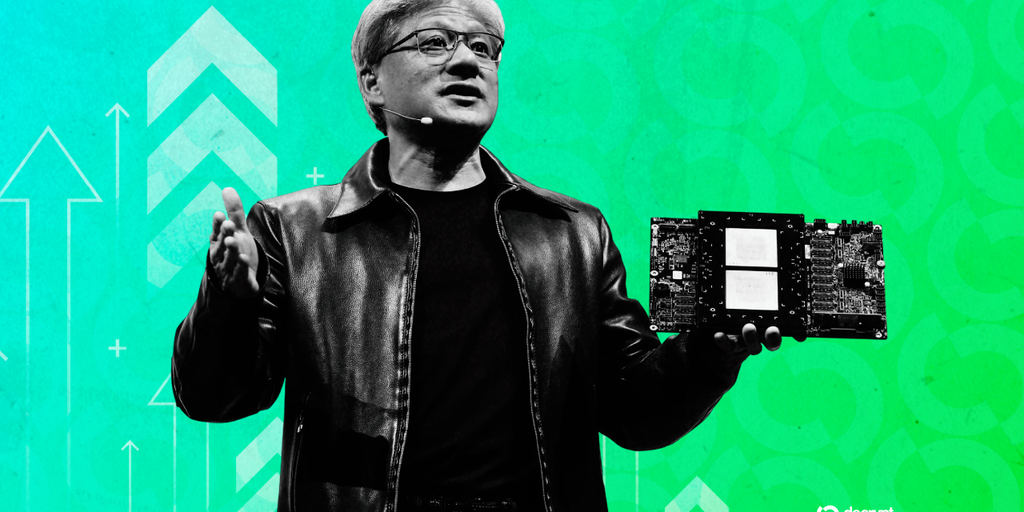
Nvidia released a new decoding algorithm, TCBP-JOBS, on Nov. 16. According to the company, the algorithm delivers up to 13,000x faster decoding compared with existing leading algorithms, and it cuts the computation time for researching new quantum computing designs from 12 weeks to 45 minutes.
Nvidia said that the algorithm helps researchers find designs that use physical qubits more efficiently, "shortening the path to practical fault-tolerant quantum computing."
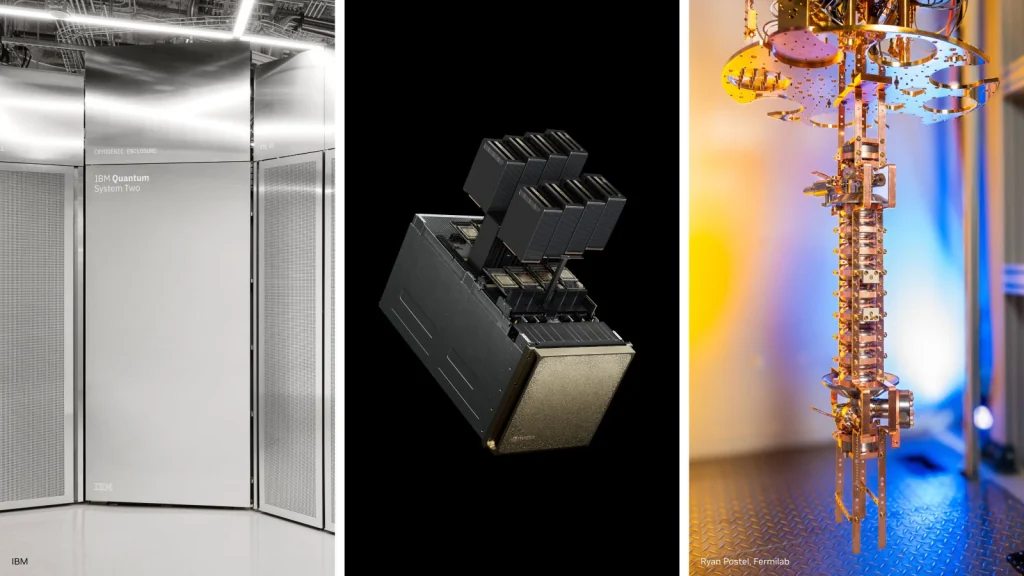
Nvidia and IBM also announced plans for a modular quantum computing codesign platform with Fermilab. IBM and Nvidia are placing Nvidia DGX B200 systems next to IBM quantum computers, including those powered by IBM Quantum Nighthawk, and researchers will use the platform to develop and test error-correction codes.
"Making quantum computers useful for science requires advances in error correction, applications and the systems that bring quantum processors and accelerated computing together," said Krysta Svore, vice president of applied research for quantum computing at Nvidia.
Breaking Bitcoin would take millions of qubits
A 2022 study by researchers from the University of Sussex estimated that breaking Bitcoin's encryption within a day would require around 13 million physical qubits.
IBM Quantum Nighthawk, which IBM calls its fastest quantum processor, has 120 qubits. According to Nvidia, errors in quantum processors "limit the complexity and duration of the computations they can perform."
In 2024, Bitcoin developer Hunter Beast proposed BIP-360, a new output type that would protect coins from quantum attacks. In July 2025, Casa co-founder Jameson Lopp also suggested a plan to phase out legacy signatures and move coins to quantum-resistant addresses.
Early coins mined by Satoshi Nakamoto sit on addresses with public keys that are already visible on the blockchain.
In November 2024, NIST proposed to stop allowing vulnerable public-key algorithms, including elliptic curve cryptography, after 2035.